
Analyzing Midfielders as Coaches
I see that midfielders often excel as coaches due to their vision, ability to orchestrate play, and strong tactical understanding. They balance defense and attack while controlling game tempo and communicating effectively. Examples of successful midfielders turned coaches include Pep Guardiola, Xavi, and Arteta. It's interesting to note that some strikers and defenders, like Klopp and Mourinho, also find success in coaching.
I'm curious if the user would like to know more about Cesc's current team's performance or tactical highlights this season.
同感这是个有意思的观点。中场球员当教练往往占到几条“先天优势”:
- 视野与全局感:踢中场需要同时读进攻与防守,习惯在90分钟里做取舍与权衡。 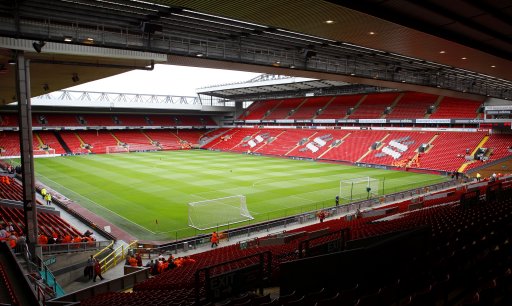
- 结构与节奏:中场负责连接三线,天然熟悉空间占用、压迫和退出压迫的节奏控制。
- 沟通与指挥:中场在场上常充当“翻译器”,把教练意图变成队友的即时决策。
- 战术适配力:经历过多种体系(双后腰/三中场/菱形等),转教练时更容易做出比赛内调整。
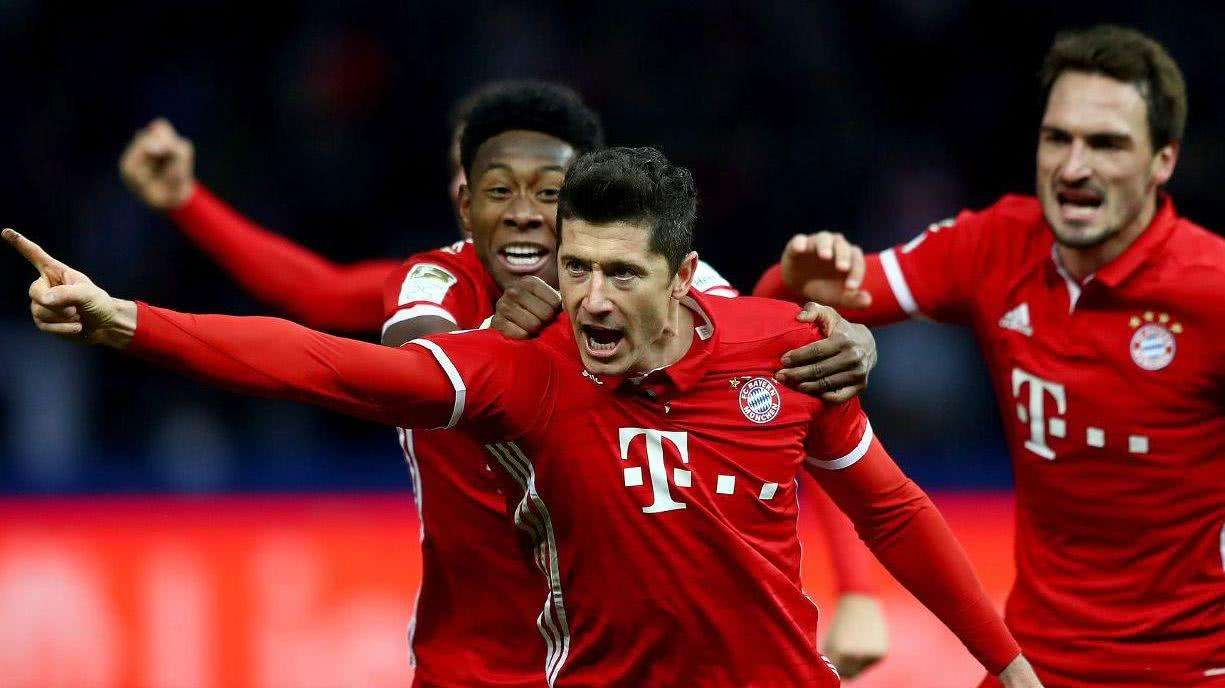
小法现在的确做得不错:
- 在科莫的执教把控球和有序出球作为底色,同时不丢纵深威胁;中场的人数与站位优势是关键抓手。
- 比赛管理上更强调局部的强度开关(何时高压、何时回落),避免被拉成对攻。
- 年轻球员使用和角色细化到位,提升了阵容上限。
- 结果层面带队从意乙升入意甲,说明方法论和执行都经得起检验。
类似路径也有不少成功范例:瓜迪奥拉、安切洛蒂、齐达内、阿隆索、阿尔特塔等,都是“中场视角”转化为教练优势的代表。当然,成功不只看位置背景,管理、选人和团队支持同样关键。
需要的话,我可以:
- 简要复盘小法在科莫的战术要点与典型比赛;
- 对比几位“前中场教练”的共同点与差异;
- 翻译/整理这次伊涅斯塔发言的更多上下文。